

Table of Contents
Why Lead Generation for Marketing Agencies Needs a Tailored Approach
Defining Your Ideal Client Profile (ICP) & Offer for Lead Generation
9 High-Impact Lead Generation Strategies for Marketing Agencies
How to Measure and Improve Lead Quality for Your Agency
How Cleverly Helps Agencies Generate and Convert Leads
Conclusion
Frequently Asked Questions
Modified On :
October 21, 2026
Key Takeaways
- Lead generation for marketing agencies requires a tailored approach—you're selling services, not products, so focus on quality over volume.
- Define your ICP and craft a specific offer (free audit, case study, pilot) to attract the right prospects.
- Layer multiple channels—LinkedIn, cold email, calling, SEO, and referrals—for predictable pipeline growth.
- Outbound tactics (LinkedIn, email, calling) deliver faster results than waiting for inbound alone.
- Measure what matters: CPL, conversion rate, CAC, and LTV—not vanity metrics.
- Use lead scoring and funnel analytics to prioritize high-fit prospects and plug conversion leaks.
- Consistency wins—agencies that show up daily with a system scale past those relying on luck.
Lead generation for marketing agencies is often harder than the actual work you do for clients.
You can run brilliant campaigns, nail the strategy, and deliver real results, but landing those clients in the first place? That's where most agencies hit a wall.
And it's getting tougher. Competition is fierce, ad costs are climbing, and buyers aren't responding to the same old tactics anymore.
The thing is lead generation for digital marketing agencies isn't like selling a product. You're not moving boxes off a shelf. You're selling expertise, trust, and a partnership that could last years.
That means your lead gen approach needs to be smarter, more targeted, and built for relationships—not just conversions.
This guide is your modern playbook. We'll walk through proven strategies that actually scale in 2025: covering who to target, which tactics work, the tech you need, and how to turn a trickle of leads into a predictable pipeline.
Whether you're an agency owner, a biz dev lead, or running a lead generation agency yourself, this is for you.
Let's get into it.
Why Lead Generation for Marketing Agencies Needs a Tailored Approach
Lead generation for marketing agencies isn't a one-size-fits-all game. You're not selling software with a free trial or a product someone can impulse-buy on Amazon.
You're selling ongoing services—strategy, execution, results—and that changes everything.
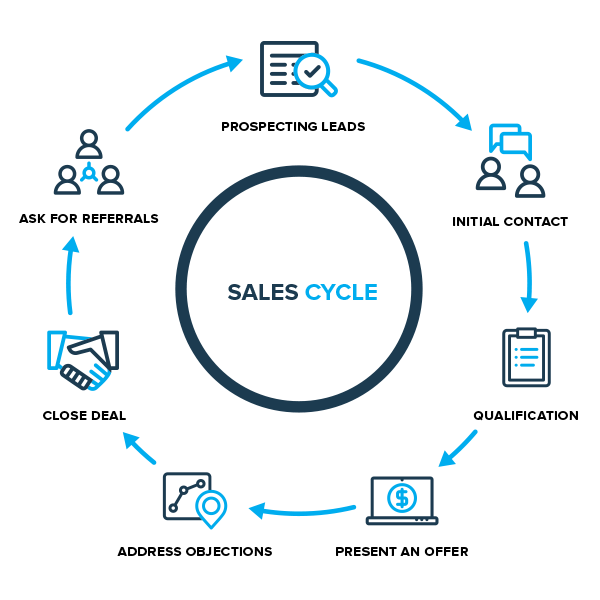
Decision cycles are longer.
A company isn't going to hand over their entire digital marketing budget after one discovery call.
They're vetting you, comparing options, looping in stakeholders from marketing, sales, maybe even the CFO. That means your lead gen needs to nurture, educate, and build trust over weeks or even months.
Quality beats quantity every time.
Sure, you could blast out 10,000 cold emails and get a few bites. But one qualified lead from a company that actually fits your ICS (ideal client profile) and has a budget?
That's worth more than 100 tire-kickers. When you're selling high-ticket services, lead generation for digital marketing agencies has to focus on precision, not spray-and-pray.

You need to align your internal team, too.
Here's where it gets tricky—most agencies are great at marketing for clients but struggle to market themselves.
Your sales and marketing functions need to work together, sharing insights, passing qualified leads smoothly, and staying consistent with messaging. If they're not synced up, even the best leads will slip through the cracks.
Basically the bottom line is - lead generation for marketing agencies requires a tailored strategy that matches the complexity of what you're selling.
💼 More Clients. Less Prospecting.
We build and run LinkedIn + email campaigns that fill your agency’s calendar with qualified prospects — all starting at $397/mo or pay-per-meeting ready lead!
Defining Your Ideal Customer Profile (ICP) & Offer for Lead Generation
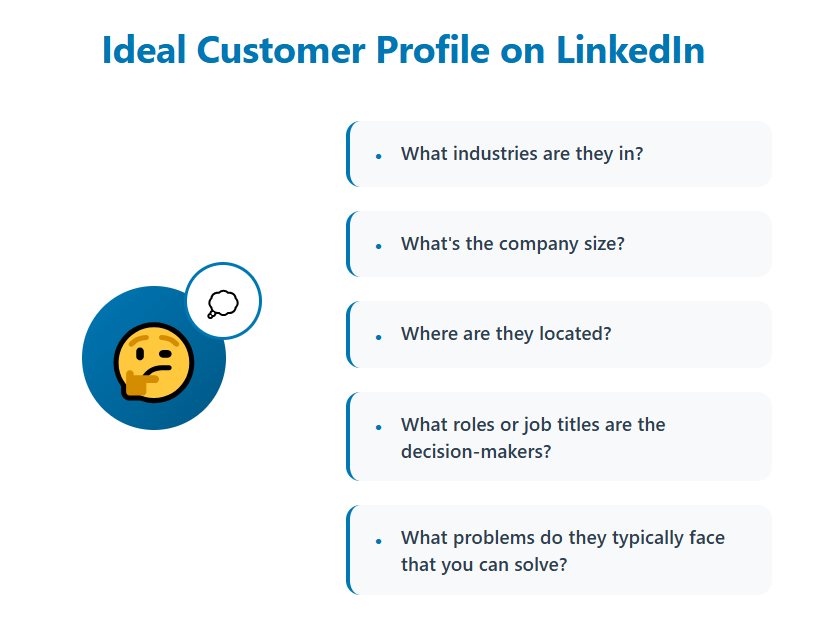
Before you figure out how to generate leads for digital marketing agency growth, you need to know who you're going after—and what you're offering them.
Skip this step, and you'll waste time chasing leads that don't convert or clients that aren't a good fit.
1. Segment Your Niche
Get specific. The tighter your niche, the easier it is to target and message. Are you going after:
- Industry: SaaS companies? E-commerce brands? Real estate firms? B2B service providers?
- Company size: Startups with scrappy budgets or mid-market companies ready to scale?
- Service type: Are you a full-stack agency, or do you specialize in SEO, PPC, social media, or content marketing?
The more focused you are, the more your messaging will resonate. Generic doesn't cut it anymore.
2. Map Buyer Personas & Decision-Makers
Who's actually making the decision to hire you? It's rarely just one person. You need to understand:
- Marketing Directors who need to prove ROI and justify budget.
- CEOs or Founders at smaller companies who wear multiple hats.
- E-commerce Heads looking for performance-driven growth.
- VP of Sales who need more pipeline and better lead quality.
Each persona has different pain points, priorities, and objections. Your outreach and content should speak directly to them.
3. Craft Your Unique Value Proposition
Why should they choose your agency over the 50 others in their inbox? Your value prop needs to be clear, specific, and tied to outcomes. Think:
- "We help SaaS companies scale from $1M to $10M ARR with content-driven SEO"
- "We run PPC campaigns for e-commerce brands that deliver 4x ROAS or better"
Skip the fluff. Tell them exactly what you do and what result they can expect.
4. Determine Your Offer Structure for Leads
What's the hook that gets them to respond? Cold outreach works better when you lead with value, not a sales pitch. Consider offers like:
- Free audit: "30-day SEO performance audit"
- Case study or results snapshot: Show proof with real numbers
- Lead magnet: Downloadable guide or template
- Pilot campaign: Low-risk trial to prove your process works
Example: A PPC agency targeting e-commerce brands uses a free "30-day sales spike audit" to attract leads.
They analyze the prospect's current ad spend, identify wasted budget, and show exactly where they could improve ROAS. It's specific, valuable, and positions them as the expert before the first call even happens.
When you nail your ICP and offer, how to generate leads for digital marketing agency success becomes a whole lot clearer.
Lead Generation for Different Types of Agencies: Creative, Advertising, SEO & PPC
A branding studio and a PPC shop both sell “marketing.” But their buyers check proof in very different ways.
That’s why lead generation for digital marketing agencies can’t run on one script. Creative buyers want to feel your taste. PPC buyers want to see numbers. Your channels, offers, and proof should match what each buyer checks first.
Here’s how it plays out by agency type.
Creative and Branding Agencies
Taste is hard to prove in an email. Buyers need to see the work. They also need someone they trust to say it’s good.
Lead generation for creative agencies usually runs on trust and visual proof:
- Referrals: Ask past clients, freelancers, and developers who have seen your work. The best time to ask is right after a launch, when the client is happiest.
- A portfolio built to sell: Show 3-5 projects in your niche. For each one, share the problem, the work, and the result. A grid of logos doesn’t close deals.
- Awards and shortlists: Niche design and branding awards give you third-party proof. Mention them in outreach and on case study pages.
- Sample-led outreach: On LinkedIn or email, send one relevant project. Skip the full deck.
Best-fit channels: referrals, LinkedIn outreach, and portfolio-led content. Cold email works too when you attach one project that matches the prospect’s industry.
Advertising Agencies
Bigger budgets mean more people in the room. A CMO, a brand lead, and procurement may all weigh in.
Lead generation for advertising agencies works best when it’s account-based and aimed high:
- ABM: Pick 25-50 target brands. Study their recent campaigns. Send a short point of view on one campaign, with one idea they can use. (We cover this in strategy 8 below.)
- Executive outreach: Go to CMOs and VPs of Brand, not junior marketers. Keep it short. One specific observation beats three paragraphs about your agency.
- Multi-touch follow-up: Combine LinkedIn, email, and a call. Senior buyers are busy, and they notice the third touch.
Best-fit channels: ABM, LinkedIn, cold email, and cold calling. Expect a longer sales cycle, so keep nurturing after the first call.
SEO Agencies
Your proof is easy to check. If you sell rankings, buyers will Google you, and what they find is your first case study.
- Audits: Send a short audit of the prospect’s site with three quick wins and one big gap. A quick video walkthrough makes it feel personal.
- Ranking case studies: Show the keywords, the time frame, and what you changed. Before-and-after charts beat vague claims about traffic growth.
- Your own rankings: Go after terms like “[industry] SEO agency.” Visitors who land there already have intent.
Best-fit channels: cold email and LinkedIn with an audit offer, SEO content (strategy 4), and partnerships with web design and development agencies.
Pro tip: Audit something the prospect can verify in two minutes, like “you rank #14 for this term, and your competitor ranks #3.”
PPC Agencies
PPC buyers read numbers first. Show them you can read theirs.
- Account teardowns: Review the prospect’s public ads, landing pages, and offer. Point out two or three fixes. Once they reply, offer a deeper teardown with account access. It’s the same idea as the “30-day sales spike audit” example earlier.
- ROAS proof: Show ad spend, ROAS, cost per acquisition, time frame, and industry. If a client’s NDA blocks exact figures, use ranges.
- Intent capture: Run search ads on terms like “PPC agency for [industry].” Those clicks are already looking to hire.
Best-fit channels: LinkedIn, cold email, cold calling, and paid search on bottom-of-funnel keywords.
Landing Pages, Lead Magnets & Forms That Convert for Agencies
You can have a great channel and still lose leads on the page. Lead generation for agencies often leaks right here.
Unbounce’s Conversion Benchmark Report puts the median conversion rate for commercial and professional services landing pages at 6.1%. Treat that as a floor to beat, not a goal.
Build Single-Offer Landing Pages
One page, one offer, one action. No main navigation and no links to your blog.
A solid layout looks like this:
- Headline: The result for a specific niche, in plain words.
- Subhead: What they get and how fast.
- Proof: Two or three client logos, one number, one short quote.
- What’s inside: Three bullets on the audit, teardown, or call.
- One CTA: A short form or a calendar link.
Match the page to the message that sent people there. If your LinkedIn message promises a PPC teardown, the page should say “PPC teardown” in the headline.
Keep the copy simple. Unbounce’s data shows conversion rates fall as reading difficulty goes up. Write like you talk.
Use Interactive Lead Magnets
A PDF guide gets downloaded and forgotten. A quiz, calculator, or assessment makes the visitor do something, and their answers tell you who they are.
These work because they’re self-qualifying. Someone who finishes a 2-minute assessment is telling you what they care about. Those answers also feed your lead scoring, which we cover below.
Keep Forms Short and Qualify With One or Two Fields
Every extra field costs you submissions. But a form with only a name and email brings in tire-kickers. A good middle ground:
- Name and work email
- Website URL
- One qualifier, such as monthly ad spend range or team size
Check your mobile layout too. Unbounce found that for professional services pages, about four in five visits came from mobile, yet mobile converted 40% lower than desktop. Big fields and few of them help.
A/B Test Headlines, CTAs, and Forms
Change one thing at a time, or you won’t know what worked.
Don’t call a winner after a handful of submissions. If traffic is low, test bigger swings, like a different offer, not button colors. And judge results by qualified leads, not just form fills. We cover how to track that in the funnel analytics section below.
9 High-Impact Lead Generation Strategies for Marketing Agencies
Below are nine proven strategies (and frameworks) that successful agencies deploy to fill their pipelines consistently.
These aren't theory—they're backed by real data, tested at scale, and built for lead generation for digital marketing agencies that want predictable growth.
1. LinkedIn Lead Generation
LinkedIn is the highest-intent B2B channel out there. Decision-makers are actively present, and when done right, B2B LinkedIn lead generation consistently outperforms most other channels for agencies.
Why it works: You're reaching people in a professional mindset, and you can target by job title, industry, company size, and even specific accounts. The key is personalized outreach, not spammy connection requests.
The process:
- Build a targeted list of ideal prospects (marketing directors, CEOs, growth leads).
- Send connection requests with a personalized LinkedIn message (no pitch yet).
- Follow up with value-first messaging—share a relevant insight, case study, or quick win.
- Nurture over 3-5 touchpoints before making an ask.
What the data shows: At Cleverly, we've helped 10,000+ clients generate leads with companies like Amazon, Google, Uber, PayPal, Slack, and Spotify.
That's resulted in $312 million in pipeline revenue and $51.2 million in closed revenue through LinkedIn outreach alone. The secret? Hyper-personalization, persistence, and messaging that leads with value, not a sales pitch.
Pro tip: Don't just pitch your services. Share a tactical insight or offer a free audit in your first message. Get the conversation started before you go for the close.

Want to know more? GET ON A FREE CALL WITH US! ✨
2. Cold Email Outreach
Cold email lead generation still works…if you do it right. The problem is most agencies treat it like a numbers game. They blast thousands of generic emails and wonder why response rates are under 1%.
Why it works: Email lets you reach decision-makers directly, at scale, without relying on algorithms or ad spend. But deliverability, personalization, and sequencing are everything.
The process:
- Scrape or buy verified contact lists (use tools like Apollo, ZoomInfo, or Hunter).
- Write cold emails that are short and personalized (3-5 sentences max).
- Lead with a specific pain point or result you've delivered for similar companies.
- Use a 4-6 email sequence with varied messaging and CTAs.
- A/B test your cold email subject lines, openers, and offers relentlessly.
What the data shows: Agencies that combine cold outreach with LinkedIn see 3-4x better response rates than using either channel alone.
At Cleverly, our cold email campaigns are built around the same hyper-targeted approach we use for LinkedIn—personalized, value-driven, and optimized for replies, not just opens.
Pro tip: Keep your first email under 75 words. Shorter emails get more replies. And always test your deliverability—if you're landing in spam, nothing else matters.

Compare: Cold Email vs LinkedIn Outreach - What Gets Better Results?
3. Cold Calling System
Most agencies avoid cold calling because they think it's dead. As a cold calling agency we can confidently say it's not. It's just evolved. In 2025, cold calling works when it's part of a system—not just a rep dialing random numbers and hoping for the best.
Why it works: Nothing builds rapport faster than a live conversation. You can handle cold call rejections in real-time, qualify leads on the spot, and book meetings the same day. Plus, your competitors probably aren't doing it, so you stand out.
The process:
- Build a targeted call list (use intent data or warm up contacts from LinkedIn/email first).
- Use a proven cold calling script that focuses on the prospect's problem, not your pitch.
- Train SDRs to listen, ask questions, and disqualify bad fits early.
- Track metrics obsessively: calls made, conversations had, meetings booked.
What the data shows: Our $5M Cold Calling System books agencies 10-30 qualified sales calls every month, guaranteed. We've made over 1 million cold calls, set 53,000+ appointments, and generated $312 million in pipeline.
Here's what makes it work:
- No-accent appointment setter placed on your team.
- Rigorous training to go live in 2 weeks.
- Breakthrough call scripts written for your offer.
- Data, tech, and power dialer included.
- Half the cost of building an in-house team.
- Guaranteed appointments or we replace the SDR
Cold calling isn't about annoying people. It's about reaching the right person, at the right time, with a message that resonates.
Pro tip: Call between 4-5 PM local time. Decision-makers are often more available then, and gatekeepers have usually left for the day.
Know More: Best Time to Cold Call in 2025 (Backed by Data & Research)
4. SEO and Organic Thought Leadership
If you're not showing up on Google when someone searches "best PPC agency for SaaS" or "how to scale paid ads for e-commerce," you're invisible to a huge segment of high-intent leads.
Why it works: SEO is a long game, but once you rank, you get consistent inbound leads without paying for ads. Combine that with thought leadership content (blogs, case studies, original research), and you build authority that turns cold traffic into warm leads.
The process:
- Target bottom-of-funnel keywords like "hire [service] agency" or "[industry] marketing agency".
- Publish in-depth guides, case studies, and data-driven content.
- Optimize for featured snippets and "People Also Ask" boxes.
- Build backlinks through guest posts, PR, and partnerships
What the data shows: B2B buyers do an average of 12+ searches before contacting a vendor. If you're not ranking, they're finding your competitors instead.
Pro tip: Don't just write generic content. Publish original data, case studies with real numbers, or contrarian takes. That's what earns backlinks and ranks.

Proven: Real Estate Lead Generation Strategies and Tips
5. Partnerships and Referrals
The best leads often come from people who already trust you—or trust someone who trusts you. Referrals convert at 4x the rate of cold outreach, and partnerships give you access to audiences you'd never reach on your own.
Why it works: Warm introductions remove the biggest barrier to agency sales: trust. When a partner or past client vouches for you, objections disappear and sales cycles shorten.
The process:
- Build a referral program with incentives (revenue share, finder's fee, free services).
- Partner with complementary agencies (e.g., a dev agency partners with a marketing agency).
- Ask happy clients for intros to peers in their network.
- Join industry communities, masterminds, and Slack groups where your ICP hangs out
What the data shows: 84% of B2B buyers start the purchasing process with a referral. Agencies with formal referral programs generate a good amount of their revenue from referrals alone.
Pro tip: Make it stupid-simple for people to refer you. Give them a one-liner they can copy-paste, or create a short intro deck they can forward.

6. Webinars or Workshops
Hosting a webinar or live workshop positions you as the expert, educates your audience, and gives you a natural path to a sales conversation—all in one hour.
Why it works: Webinars let you showcase your expertise, build trust with multiple prospects at once, and generate leads without the friction of a cold pitch. Plus, attendees are self-qualifying—they're raising their hand and saying "I'm interested."
The process:
- Pick a topic that solves a specific, urgent problem for your ICP.
- Promote through LinkedIn, email, and partnerships.
- Deliver 60-70% education, 30-40% pitch (case studies, proof, CTA).
- Follow up with attendees within 24 hours.
What the data shows: Webinars convert at 20-40% from registration to attendance, and 10-20% of attendees book a follow-up call. On-demand replays extend the lifespan, generating leads for months after the live event.
Pro tip: Co-host with a partner or industry expert. You'll tap into their audience and double your reach.

Also Check: Lead Generation for Financial Advisors - Proven Strategies
7. Performance Marketing for Lead Gen (Paid Ads)
Paid ads—Google, LinkedIn, Facebook—give you immediate visibility and let you test messaging fast. But here's the catch: most agencies burn budget on vanity metrics instead of optimizing for qualified leads.
Why it works: You control the targeting, the message, and the budget. When dialed in, paid ads are the fastest way to fill your pipeline.
The process:
- Start with LinkedIn or Google Search ads (highest B2B intent).
- Target job titles, industries, and company sizes that match your ICP.
- A/B test ad copy, landing pages, and offers relentlessly.
- Use retargeting to nurture warm traffic.
What the data shows: The average cost-per-lead for B2B service ads is $50-$150, but qualified leads that actually close cost closer to $500-$1,000 when you factor in full-funnel attribution.
Pro tip: Don't send paid traffic to your homepage. Build dedicated landing pages for each campaign with one clear CTA.
Learn More: Linkedin Ads Master Playbook For 10x ROAS
8. Account-Based Marketing (ABM) for High-Value Clients
If you're chasing enterprise clients or high-ticket contracts, ABM is the move. Instead of casting a wide net, you laser-focus on 10-50 dream accounts and orchestrate personalized campaigns to win them.
Why it works: High-value clients need a tailored approach. ABM lets you coordinate across multiple touchpoints—LinkedIn, email, direct mail, content, ads—to stay top-of-mind and build relationships over time.
The process:
- Identify your top 10-50 target accounts.
- Research key decision-makers and map their pain points.
- Create personalized content (case studies, one-pagers, video messages).
- Run coordinated outreach across email, LinkedIn, and ads.
- Use direct mail or creative touchpoints to stand out (yes, physical mail still works).
What the data shows: 87% of marketers say ABM delivers higher ROI than other marketing activities. Deals from ABM campaigns are typically 40-50% larger and close 20% faster.
Pro tip: Don't try to scale ABM. The whole point is deep personalization. If you're targeting 500 accounts, you're doing it wrong.

9. Community Building and Content-Led Growth
The final (and often overlooked) strategy: build your own audience. Launch a newsletter, start a podcast, create a private community, or publish original research. When you own the audience, you control the distribution—and you're never at the mercy of algorithm changes or ad costs.
Why it works: Communities create compounding value. Every piece of content you publish reaches more people, builds more authority, and generates more inbound interest. It's slower than paid ads, but it scales better long-term.
The process:
- Pick one channel (newsletter, LinkedIn, podcast, YouTube).
- Publish consistently—weekly at minimum.
- Share tactical insights, case studies, and original perspectives.
- Engage with your audience (reply to comments, DMs, emails).
- Convert engaged followers into leads with CTAs, lead magnets, or consultations
What the data shows: Agencies with 5,000+ engaged newsletter subscribers or social followers generate 50-60% of their leads inbound. The compounding effect kicks in around month 6-12 of consistent publishing.
Pro tip: Repurpose everything. One deep-dive blog post becomes a LinkedIn content, a newsletter, a Twitter thread, and a podcast episode. Maximize every piece of content you create.
These nine strategies aren't mutually exclusive—the best agencies layer them together. Start with 2-3 that match your strengths, then expand as you scale.
How to Choose the Right Lead Generation Strategy for Your Agency Model
Nine strategies is a menu, not a to-do list. Run all of them and you’ll do none of them well. The right lead generation strategies for agencies depend on your model. Start with four inputs.
The Four Inputs That Decide Your Channel Mix
- Niche: A tight niche (say, e-commerce brands in the US) makes list building easy. That favors LinkedIn and cold email. A broad niche leans more on content and referrals.
- Offer type: A free audit or pilot fits outbound. A big retainer that needs education fits ABM, content, and webinars.
- Deal size: The more a client is worth, the more time and money you can spend winning them.
- Capacity: How many new clients can you onboard each month without hurting delivery? This caps how many leads you actually need.
New Agency vs. Established Agency
A new agency has few case studies, little brand, and plenty of time. Outbound fits that well. An established agency usually has trust to spare. Its risk is depending on referrals alone.
Low-ACV vs. High-ACV Agencies
Use your own numbers here. A rough rule: the lower your average client value, the more you need low-touch channels that scale.
- Lower ACV: SEO content, cold email at volume, paid search, productized audits, and webinars.
- Higher ACV: ABM, executive LinkedIn outreach, cold calling, partnerships, and referrals.
Not sure where outbound starts paying off? We broke down the math in What Deal Size Makes Outbound Lead Generation Profitable?.
One Control Channel Plus One Trust Channel
The simplest setup that works is two channels, each with a different job.
- Control channel: You decide the volume. Think LinkedIn outreach, cold email, or cold calling. It fills your calendar this month.
- Trust channel: It’s slower but builds belief. Think referrals, SEO content, partnerships, or community. It makes the calls from your control channel easier to close.
Good pairings include LinkedIn outreach plus a referral program, cold email plus ranking case studies, or cold calling plus partnerships. Add a third channel only when the first two are running without you.
Compare: LinkedIn vs Cold Email vs Cold Calling: Which Channel Works Best?
Match Lead Volume to Delivery Capacity
More leads aren’t always better. Too many and you respond slowly, rush onboarding, and burn out your team. Too few and your people sit idle.
Work backward:
- How many new clients can you onboard each month?
- What share of qualified sales calls close?
- What share of leads become qualified calls?
Example (illustrative): You can onboard 2 clients a month and close about 1 in 4 qualified calls. You need roughly 8 qualified calls a month. If a third of your leads become qualified calls, that’s around 24 leads.
Pro tip: Keep a waitlist or a “next start date” offer ready. It lets you slow outreach without losing good leads.
🚀 Scale Your Agency with Predictable Leads
Cleverly helps marketing agencies book more client calls on LinkedIn — with done-for-you outreach that’s generated $312M+ in pipeline.
How to Measure and Improve Lead Quality for Your Agency
More leads don't mean more revenue. If you're chasing volume without tracking quality, you're wasting time on prospects who'll never close.
Smart lead generation for marketing agency growth is about measuring what matters and optimizing ruthlessly.
Define the Metrics That Actually Matter
Forget vanity metrics. These are the numbers that tell you if your lead gen is working or bleeding money:
- Cost per Lead (CPL)
- Lead-to-Client Conversion Rate
- Customer Acquisition Cost (CAC)
- Lifetime Value (LTV)
Track these monthly. If your CAC is climbing or your conversion rate is dropping, you'll spot it early and fix it before it kills your margins.

Use Funnel Analytics to Find the Leaks
Your lead gen funnel isn't one step—it's a series of conversions. Map it out:
Traffic → Leads → Qualified Leads → Clients
Most agencies lose leads at the "qualified" stage because they're not asking the right questions upfront. Here's how to tighten it:
- Traffic to leads: Are people actually opting in, booking calls, or replying to outreach? If not, your offer or messaging is off.
- Leads to qualified leads: Are you vetting properly? Use discovery calls or intake forms to disqualify bad fits early. A lead that can't afford you or doesn't need your services is worthless.
- Qualified leads to clients: If qualified leads aren't closing, it's a sales execution problem—objection handling, follow-up, or pricing.
Run a quarterly funnel audit. Look at conversion rates between each stage. A 2% improvement at each step compounds into massive growth over time.

Use Lead Scoring and Segmentation to Prioritize High-Fit Leads
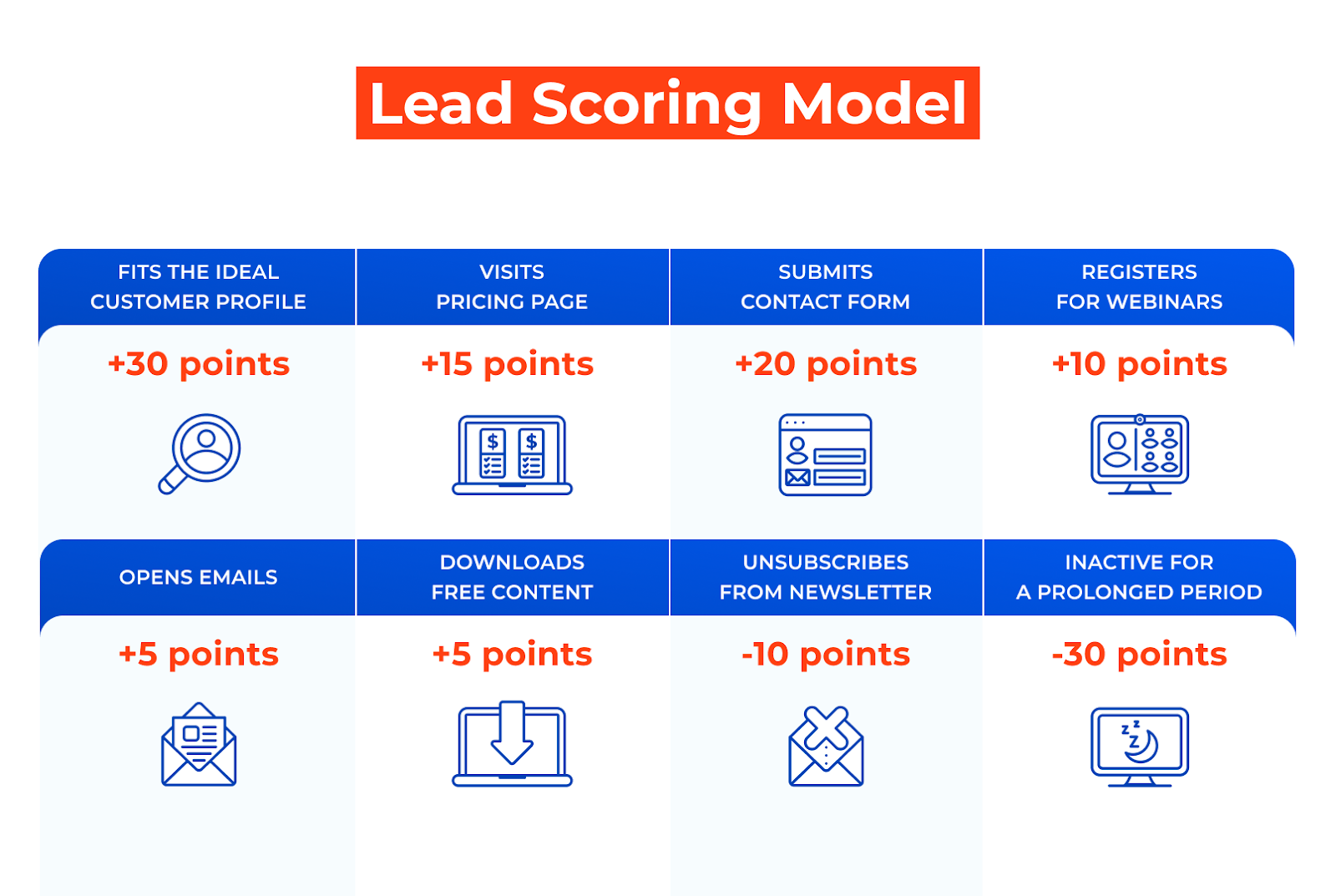
Not all leads are created equal. Lead scoring helps you focus energy on prospects most likely to close—and deprioritize tire-kickers.
How to score leads:
- Firmographic fit: Do they match your ICP? (industry, company size, budget)
- Engagement level: Did they download a resource, attend a webinar, or reply to multiple emails?
- Intent signals: Are they actively searching for solutions? (e.g., visited your pricing page, asked about timelines)
Assign point values to each factor. Leads above a certain threshold get priority treatment—faster follow-up, personalized outreach, senior sales rep attention. Leads below the threshold get nurtured or disqualified.
Segment your leads into tiers:
- Tier 1 (Hot): Perfect fit, high intent, ready to buy. Call them today.
- Tier 2 (Warm): Good fit, but not urgent. Nurture with case studies, emails, or retargeting.
- Tier 3 (Cold): Weak fit or low intent. Automate follow-up or remove from active pipeline.
This prevents your sales team from wasting hours on leads that'll never close while missing slam-dunk opportunities.
How to Respond to and Nurture Agency Leads
Scoring tells you who matters. What you do next decides whether they ever become clients.
Respond within minutes. Speed is one of the few levers you fully control. A Harvard Business Review study of 1.25 million leads found that firms contacting a lead within an hour were nearly seven times as likely to qualify it as those that waited one more hour. Earlier research by MIT’s James Oldroyd with InsideSales.com found contacting a lead within 5 minutes made qualification 21 times more likely than waiting 30 minutes. Both studies are older, but they are still the most cited, and the logic holds.
To make it real:
- Send an instant confirmation with a booking link.
- Alert a named owner by Slack, text, or phone.
- Call Tier 1 leads the same day.
- Cover evenings and time zones if your leads come from them.
Need a deeper breakdown? See our guide on how quickly you should respond to leads.
Use a three-step nurture sequence. This is where lead gen email marketing earns its keep. Most Tier 2 leads aren’t ready for a call yet. Give them a reason to stay warm.
When you measure the right metrics, analyze your funnel, and prioritize quality over quantity, lead generation for marketing agency success becomes predictable—not a guessing game.
Here’s a short example for step 2:
Subject: How we did it for a [industry] brand
Hi [Name], a quick follow-up. We worked with a [industry] team that had the same issue you mentioned: [problem]. In [timeframe], they went from [before] to [after]. Here’s the one-page breakdown: [link]. Worth a look if it sounds familiar?
Keep emails under 100 words. Skip the pitch until step 3. For the difference between a simple drip and a true nurture track, see Drip Campaign vs Nurture Campaign.
Segment follow-up by service interest. Someone who downloaded your SEO audit checklist doesn’t want your PPC case study. Tag leads by what they asked for, then send case studies and examples that match.
Simple tags that work:
- Service interest (SEO, PPC, creative, full-service)
- Source (LinkedIn, cold email, landing page, referral)
- Tier (hot, warm, cold)
For more on using buyer behavior to personalize, see Behavioral Segmentation in B2B Outreach.
Re-engage cold leads. Cold doesn’t mean dead. Check back every 60-90 days, but only with a reason.
- A trigger: A new hire, a funding round, a site redesign, or a new product launch.
- A new proof point: A fresh case study in their industry.
- A new offer: A different audit or a limited-time pilot.
- A clean exit: If there’s no response after 2-3 attempts, send a short “should I close your file?” note. Then stop.
Skip “just checking in.” It tells them nothing new. Our post on trigger-based cold email covers which events to watch.
Explore More Here: Smart Ways to Use AI for B2B Lead Generation
How Cleverly Helps Agencies Generate and Convert Leads
Look, we get it—you're great at running campaigns for clients, but filling your own pipeline? That's a different game. That's where we come in.
At Cleverly, we've helped 10,000+ clients generate leads with companies like Amazon, Google, Uber, PayPal, Slack, and Spotify.
… The results? $312 million in pipeline revenue and $51.2 million in closed revenue.
We're not just another lead generation agency—we're the system that books you qualified sales calls, consistently and predictably.
We Do Three Things Better Than Anyone Else: ⭐
⭐ LinkedIn Lead Generation: Hyper-personalized outreach that gets replies, not spam reports. We've cracked the code on messaging that converts cold connections into warm conversations.
⭐ Cold Email Outreach: Deliverability-first campaigns that land in inboxes and drive responses. We test relentlessly, optimize constantly, and focus on quality over quantity.
⭐ Cold Calling That Actually Works: Our $5M Cold Calling System books you 10-30 qualified sales calls every month, guaranteed. Over 1 million cold calls made. 53,000+ appointments set. $312 million in pipeline generated.
We know you're tired of inconsistent pipelines and want a system that scales. Right?
🔥 Book a call with Cleverly →

Conclusion
Lead generation for marketing agency growth doesn't have to be a constant struggle. The agencies winning in 2025 aren't the ones throwing spaghetti at the wall—they're the ones with systems, clear ICPs, and strategies that actually scale.
You've got the playbook now. LinkedIn outreach, cold email, calling systems, SEO, partnerships—pick the 2-3 that fit your strengths and go deep.
Measure what matters, prioritize quality over volume, and don't be afraid to test, iterate, and optimize.
The difference between agencies stuck at $500K and those scaling past $5M? Consistency. They show up every day, fill the pipeline, and convert leads into long-term clients.
So stop waiting for inbound magic to happen. Build your lead gen engine, or partner with someone who already has one (like us at Cleverly).
Either way, your pipeline won't fill itself. Now go generate some leads.
Frequently Asked Questions
Free Resource
How to Scale a Profitable Cold Call System
Get the complete guide — download it instantly now.

Free Ebook
Download the Free Guide
Enter your details to get instant access.
You're all set! 🎉
Your ebook is downloading now.
Click below if the download didn't start automatically.


